

The conversation around work has shifted — again. What employees are asking for in 2026 isn’t about flashy perks or one-size-fits-all programs. It’s about support that feels human, flexible, and genuinely useful in the flow of everyday life.
After years of disruption, burnout, and rapid change, employees are more informed, more vocal, and more discerning about what they expect from their employers. For HR leaders and executives, this moment presents both a challenge and an opportunity: evolve benefits and workplace strategies to meet rising expectations, or risk disengagement, attrition, and underperformance.
According to recent Gallup research, employee engagement remains stubbornly low, while stress continues to weigh heavily on performance and retention. Employees aren’t disengaged because they lack motivation. They feel disengaged because traditional benefits do not keep pace with how work — and life — now operate.
Below, we break down what employees are asking for in 2026, why these expectations are shaping the future of work, and how employers can respond with smarter, more sustainable solutions — especially when it comes to employee well-being programs.
.png?width=1300&height=578&name=Free%20Content%20Download%20Template%20(4).png)
What Employees Are Asking for in 2026 Starts With Flexibility That Extends Beyond Remote Work
Flexibility remains at the top of the list, but employees in 2026 are asking for something deeper than remote or hybrid work alone. They want flexibility across how, when, and where work and well-being fit into their lives.
This includes:
- Autonomy over schedules, not just locations
- Asynchronous-friendly cultures that respect focus time
- Benefits that can be used on-demand, not at fixed times
Employees no longer want to mold their lives around rigid workplace structures. Instead, they expect work to adapt to them — especially as caregiving responsibilities, multigenerational households, and nontraditional schedules become more common.
For employers, this means reevaluating benefits that only work for a narrow window of employees. The most effective programs in 2026 are those that meet people where they are — early mornings, late nights, short breaks, and everything in between.
Related: Employee Well‑Being Trends to Prioritize in 2026
Employees Are Asking for Well-Being Benefits They’ll Actually Use
One of the clearest signals in 2026: employees are done with performative wellness.
They’re asking for well-being benefits that are:
- Easy to access
- Personalized
- Practical
- Integrated into daily life
Benefits employees actually use feel intuitive and immediately valuable, whether that’s a 10-minute stress reset between meetings, a workout they can do at home, or guidance that supports both mental and physical health.
This shift is especially important as employers continue to grapple with rising healthcare costs, burnout, and productivity loss. Holistic well-being — combining movement, mental health, nutrition, and recovery — is no longer a “nice to have.” It’s foundational to performance.
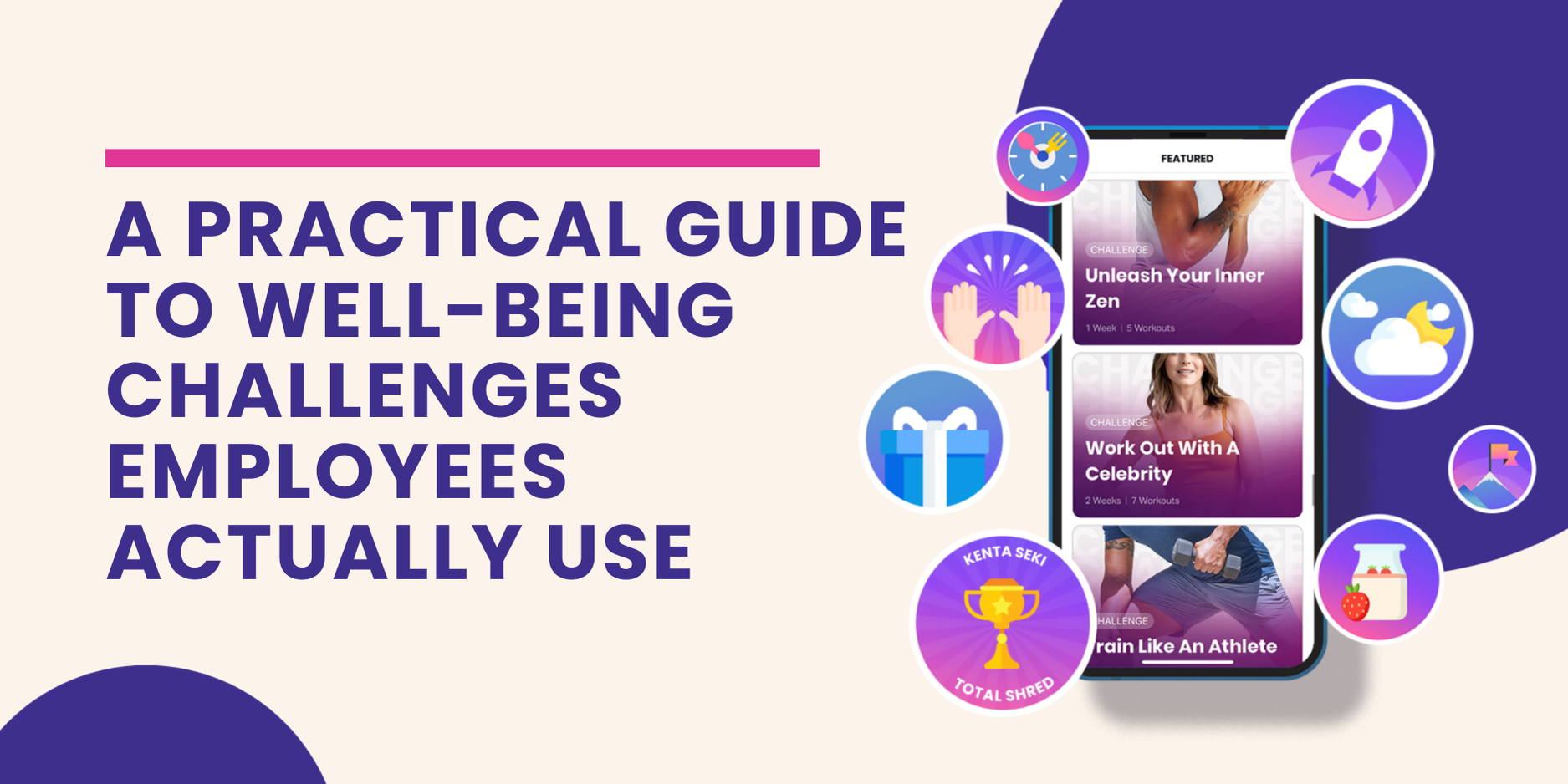
FitOn Health works with employers to deliver flexible employee benefits — designed for real life, not idealized routines, helping employees engage with well-being consistently and meaningfully. Ready to see how this works in practice? Check out our Guide to Well-Being Challenges Employees Actually Use.
Employee Benefits in 2026 Must Support Mental and Physical Health Together
One of the most defining workplace wellness trends of 2026 is the shift toward holistic well-being ecosystems.
Employees are asking for benefits that support:
- Mental health and stress management
- Physical activity and movement
- Long-term habit building, not short-term fixes
Gallup research shows that employees who strongly agree their employer cares about their overall well-being are significantly more likely to be engaged and less likely to report daily stress.
Single-purpose wellness programs are losing relevance. Future of work benefits integrate physical, mental, and emotional health into one seamless experience.
Personalization Is No Longer Optional in 2026
Another key theme in what employees are asking for in 2026: personalization.
Today’s workforce spans generations, job types, health needs, and life stages. Employees expect their benefits to reflect that diversity.
They’re asking for:
- Programs that adapt to different fitness levels and abilities
- Mental health resources that respect cultural and personal differences
- Nutrition and lifestyle support that feels realistic, not prescriptive
In 2026, personalization isn’t about offering dozens of disconnected options — it’s about creating a cohesive experience that adapts to the individual.
Employers who embrace this approach will experience higher retention and engagement in 2026 because employees feel seen and supported, rather than overwhelmed or excluded.
Related: Why Employee Wellness Resolutions Fail — And How to Fix It
Employees Want Preventive Wellness Programs, Not Just Crisis Care
Another major shift shaping employee expectations in 2026 is a stronger focus on prevention.
Rather than waiting for burnout, injury, or chronic conditions to surface, employees are asking for tools that help them:
- Manage stress before it becomes overwhelming
- Stay active in ways that reduce long-term health risks
- Build sustainable habits that support energy, focus, and resilience
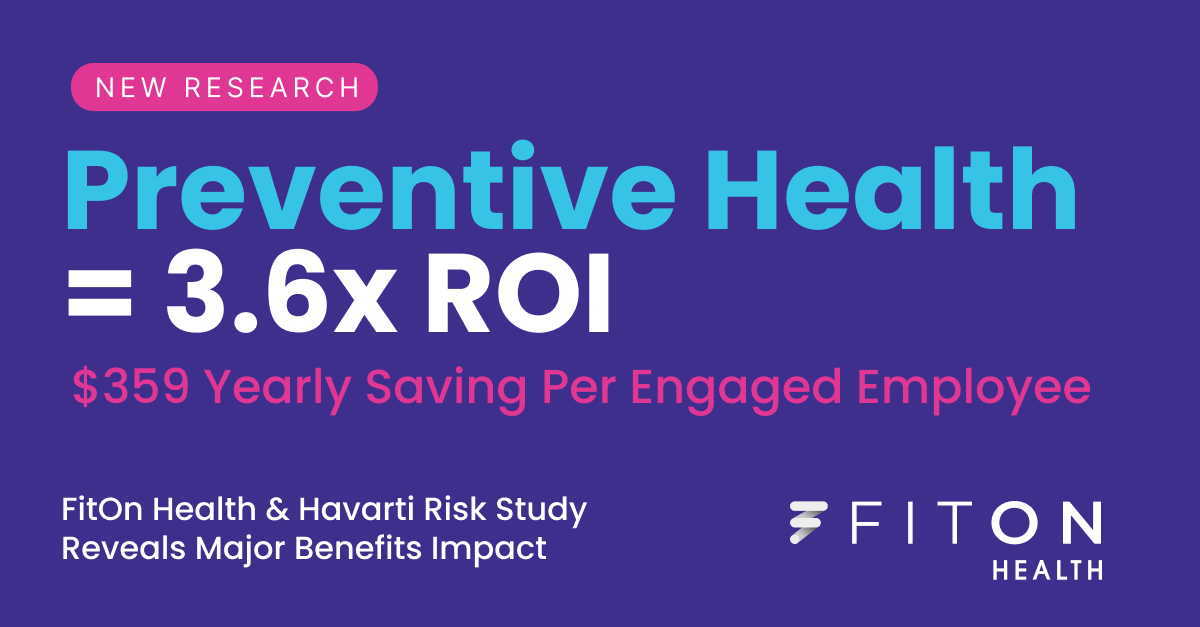
Preventive well-being benefits are also top of mind for employers looking to manage healthcare costs and absenteeism. Data consistently links poor well-being to higher absenteeism, lower productivity, and increased turnover. Programs that encourage consistent movement, mindfulness, and healthy behaviors can help reduce long-term claims while improving day-to-day performance.
This is where holistic platforms — those that combine fitness, mental health, mindfulness, and education — play a critical role.
Simplicity Is Now a Core Expectation for Employee Benefits in 2026
As benefits ecosystems grow more complex, employees are asking for the opposite: simplicity.
They want:
- Fewer platforms to manage
- Clear communication around what’s available
- Benefits that are easy to start and easy to stick with
Overly complex programs often lead to low engagement, not because employees don’t care, but because they don’t have time to figure them out. Benefits confusion is a major barrier to participation. Employees are far less likely to engage with programs they don’t fully understand or can’t access quickly.
In 2026, the most successful employers are those who reduce friction, streamline access, and design personalized employee benefits that feel intuitive from day one.
Related: How Wellness as a Talent Strategy Can Transform Your Workplace in 2026
Managers Are Asking for Tools to Support Their Teams
Not just employees; managers are also asking for better support in 2026.
In 2026, managers are asking for:
- Benefits they can confidently recommend
- Inclusive wellness programs that support diverse teams
- Solutions that don’t add administrative burden
Research consistently finds that managers account for a large share of employee engagement outcomes. When managers have access to credible, easy-to-use wellness benefits, they’re better equipped to support their teams without overstepping boundaries.
Data-Backed Well-Being Matters More Than Ever
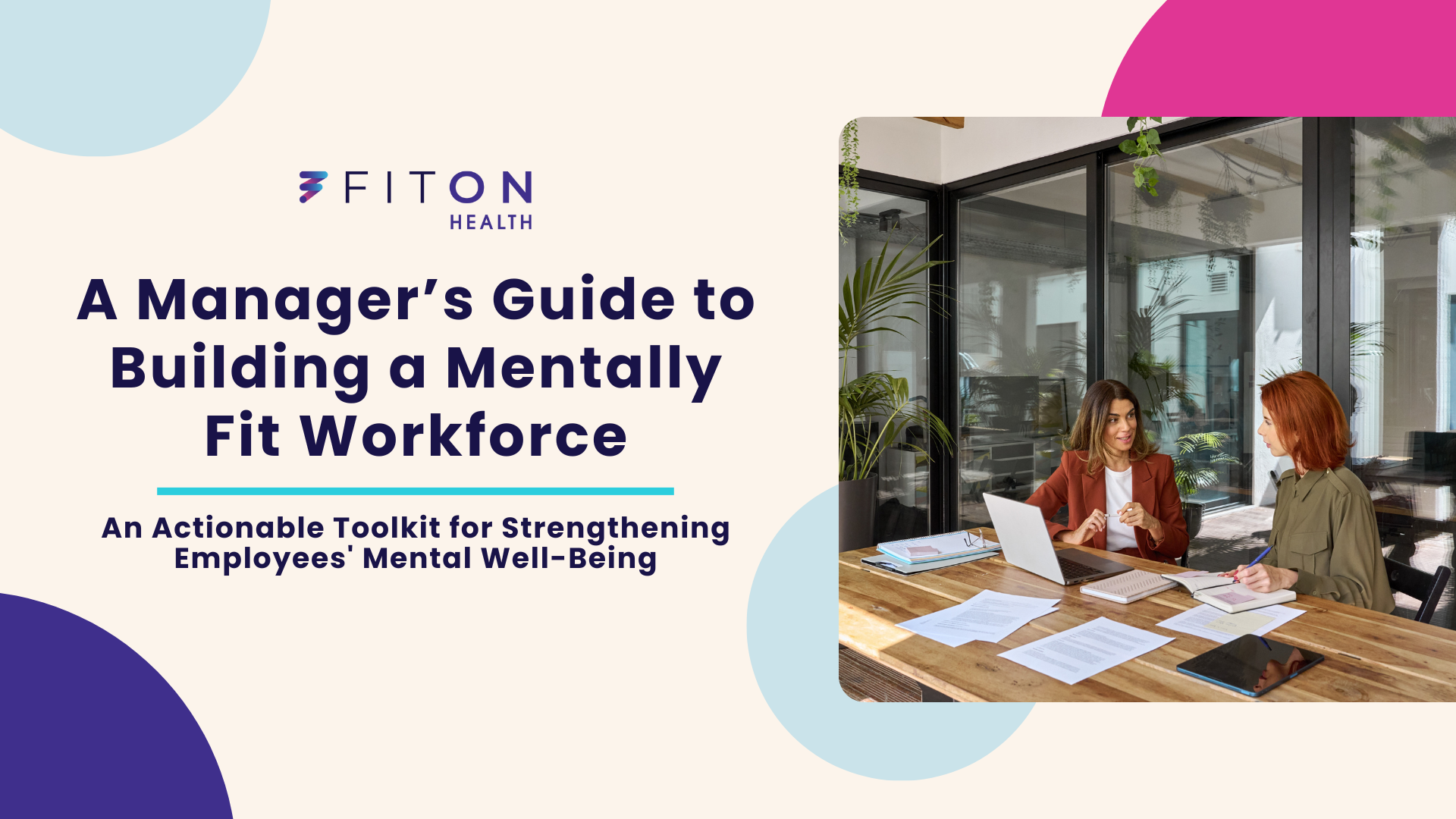
As HR and executive teams face tighter budgets and greater scrutiny, employees are asking for programs that actually work — and employers are asking for proof.
In 2026, data-backed well-being solutions stand out because they:
- Show measurable engagement
- Demonstrate behavior change over time
- Connect participation to outcomes like retention and satisfaction
Employees benefit from programs that evolve based on real usage and feedback, while employers gain insight into what’s driving impact.
Related: How Employee Fitness Benefits Can Improve Well‑Being
What Employees Want From Employers in 2026 Is a Partnership
Perhaps the most important shift of all: employees want a partnership with their employer.
They’re asking for workplaces that:
- Invest in their long-term health
- Respect their time and individuality
- Offer support that grows with them
This doesn’t mean unlimited perks or unsustainable spending. It means intentional, thoughtful benefits design — especially in well-being — that aligns with how people actually live and work.
The Employers Who Win in 2026 Are Listening Now
What employees are asking for in 2026 is not complicated, but it does require a mindset shift. Flexibility, personalization, prevention, and simplicity are no longer differentiators. They’re expectations.
Employers who listen, adapt, and invest in holistic workplace wellness will be better positioned to attract talent, retain top performers, and build resilient teams in the years ahead.
The question for HR leaders and executives is not if employee expectations will change. It is whether your HR benefits strategy is changing with them.
Learn how FitOn Health partners with employers to build modern well-being benefits designed for today’s workforce — and tomorrow’s expectations.
.png?width=2800&height=1100&name=Blog%20Banner%20(6).png)